


Visible Camera
Perfect Optics is a cutting-edge technology company specializing in the research and development of optical equipment and processes, as well as the design and manufacturing of high-precision optical components and systems. With a strong commitment to technological excellence and top-notch customer service, we deliver premium optical solutions to clients across various industries. Our core business encompasses a wide range of products, including ultra-precision machining equipment (such as ion beam machining systems, robot machining systems, CNC polishing machines, and magnetorheological polishing machines), advanced coating equipment (ALD, IBS coating machines, etc.), precision components (ion sources, light control systems, magnetorheological fluids), ultra-precision manufacturing capabilities (for flat, spherical, aspheric, and freeform surfaces), and customized lenses and optical systems tailored to meet specific customer requirements.
Why Choose Us?
High Quality
Professional testing team, proven detection technology, supporting sampling and re-testing in all links to ensure perfect quality.
Rich Experience
Our company has more than 8 years experience in optics, engaged in professional equipment and production.
Advanced Equipment
Our has lupho scan 420, lupho scan 600, zygo, 4d and other ultra-precision detection equipment, We will make every effort to achieve the required accuracy.
OEM Service
With a strong commitment to technological excellence and top-notch customer service, we deliver premium optical solutions to clients across various industries.


What is Visible Camera?
Visible cameras utilize wavelengths of light from 400~700nm, which is the same spectrum that the human eye perceives. Visible cameras are designed to create images that replicate human vision, capturing light in red, green and blue wavelengths (RGB) for accurate color representation.
Benefits of Visible Camera
Deterrent Effect: The presence of visible cameras acts as a deterrent to potential intruders, discouraging them from attempting unauthorized entry or criminal activity. The visible presence of cameras can make individuals think twice before engaging in illegal behavior.
Increased Perceived Security: Visible cameras provide a sense of security and reassurance to occupants and visitors, knowing that their actions are being monitored and recorded. This can help create a safer environment and promote compliance with security protocols.
Easy To Install And Maintain: Visible cameras are typically installed in prominent locations, making them easy to set up and maintain. Their visibility also allows for quick identification and troubleshooting of any issues that may arise.
They’re Versatile. Visible cameras are adaptable enough to function in various lighting and weather conditions. Most also offer the versatility to be able to record in black and white or colour. Colour footage can provide useful information such as the colour of a trespassers’ hair or clothing. This can help law enforcement officers identify and capture the intruder.
They Provide 24/7 Surveillance. Visible Camera allow you to monitor your property day and night. To prevent being detected, many burglars will wait until it’s dark outside to break into a home or business. Night vision cameras will ensure they get caught in the act.
They Can Detect Motion. Many Visible Camera are also equipped with motion sensors that can discern movement and send alerts to your phone or computer. They can also be outfitted with motion-activated spotlights to startle and deter intruders.
Types of Visible Camera


Action Cameras: Also known as action cams, these compact, shockproof cameras capture digital photography and high-definition video recording while immersed in an action-filled environment. Action cameras can mount to bicycle helmets and handlebars and even drones for remarkable wide-angle images and video; some high-end models connect to smartphones and even record 4K video, which is four times sharper than high-definition video. While durable and versatile, action cameras lack interchangeable lenses and have a short battery life.
Bridge Cameras: For beginners who like the simplicity of compact digital cameras but also want greater control over camera settings, bridge cameras offer ease of use and versatility. They have a small sensor size, electronic viewfinder, and slower autofocus of compact digital cameras, but greater zoom range, more adjustable settings, and sharper image quality.
Compact Digital Cameras: Pocket-sized, durable, and easy to use, compact digital cameras also go by point-and-shoot cameras. Always in automatic mode, compact digital cameras adjusts all its settings to provide quality images with every use. Compact digital cameras have a smaller sensor size than digital single-lens reflex (DSLR) or mirrorless cameras and use an LCD screen in the place of a viewfinder; some models allow you to adjust certain settings but come at a higher price point.
DSLR Cameras: Most professional photographers use DSLR cameras, which combine the mirror and prism system of SLR, or single-lens reflex cameras, which reflect light onto the sensor, with a digital sensor. The photographer has greater versatility and complete control over a DSLR camera, which includes the ability to change lenses and capture a wide array of images, from telephoto lenses for high-speed images to portrait lenses for low-light situations. DSLRs have larger sensors that come in two sizes: a full-frame sensor (or 35-mm sensor) and a crop sensor (or APS-C), which allow for greater dynamic range than compact digital cameras.
Instant Cameras: What instant cameras lack in image quality, they more than make up for in terms of cost and the tactile pleasure of watching a picture develop in your hand. Exceptionally easy to use, just point and shoot these retro-style full-frame cameras. You also don’t need any apps or photo editing software. However, the amount of film you purchase limits the number of shots, which makes them somewhat cost-prohibitive.
Medium-format Cameras: The sensor size of medium-format cameras—which comes in at a slightly larger size than the 35-mm film frame—creates striking film and digital images with greater dynamic range and more accurate color reproduction. This is an optimal camera for professional photographers, especially those working on photographs for print media or advertising, but the high cost of their lenses and slow shutter speed make them less ideal for entry-level users.
Mirrorless Cameras: Mirrorless cameras completely removes the mirror and prism element, and replaces the live view of its optical viewfinder with an electronic viewfinder. Closer in size to digital cameras, mirrorless cameras use interchangeable lenses and offer an array of customized camera settings, including Wi-Fi image transfer and HDMI video output.
Rangefinder Cameras: A type of film camera popular at the midpoint of the twentieth century, rangefinder cameras require the user to view the image through a window at the top of the camera and align two superimposed images by turning the lens to focus on a single image. You can largely find rangefinder cameras, which produce high-quality images, affordably as second-hand purchases, but the technology has a learning curve.
360-degree Cameras: A favorite among hobbyists because of their stunning panoramic images, 360-degree cameras share similarities to action cameras: Both mount on various surfaces and connect to smartphones. 360-degree cameras also use two wide-angle lenses pointing in different directions, which connect images to present a full-circle field of view perfect for landscape photography.
Components of Visible Camera
Lens:
The lens is one of the most vital parts of a camera. The light enters through the lens, and this is where the photo process begins. Lenses can be either fixed permanently to the body or interchangeable. They can also vary in focal length, aperture, and other details.
Viewfinder:
The viewfinder can be found on all DSLRs and some models of digital compacts. On DSLRs, it will be the main visual source for image-taking, but many of today’s digital compacts have replaced the typical viewfinder with an LCD screen.
Body:
The body is the main portion of the camera, and bodies can be a number of different shapes and sizes. DSLRs tend to be larger bodied and a bit heavier, while there are other consumer cameras that are a conveniently smaller size and even able to fit into a pocket.
Shutter Release:
The shutter release button is the mechanism that “releases” the shutter and therefore enables the ability to capture the image. The length of time the shutter is left open or “exposed” is determined by the shutter speed.
Aperture:
The aperture affects the image’s exposure by changing the diameter of the lens opening, which controls the amount of light reaching the image sensor. Some digital compacts will have a fixed aperture lens, but most of today’s compact cameras have at least a small aperture range.
How to Maintain Visible Camera
Regularly Clean Your Camera And Lenses
Cleaning your camera and lenses is one of the most important maintenance tasks you can perform. Start by using a blower brush or air blower to remove any loose particles from the surface of your camera and lens. Be careful not to touch the sensor or lens directly with your fingers. Next, use a microfiber cloth and a cleaning solution specifically designed for camera lenses to gently wipe away any smudges or fingerprints. Remember to clean both the front and rear elements of your lens thoroughly. Regular cleaning will ensure optimal image quality and prevent dust from causing spots on your photos.
Protect Your Camera From Dust And Moisture
Dust and moisture are two of the biggest enemies of camera equipment. To protect your gear from dust, always keep your camera body and lenses covered when not in use. Use lens caps and body caps to prevent dust from settling on the lens or entering the camera body. If you're shooting in dusty environments, consider using a protective filter on your lens to minimize the risk of dust particles reaching the front element. Similarly, when shooting in rainy or humid conditions, use a rain cover or waterproof housing to shield your camera from moisture. Taking these precautions will help prevent damage to your equipment and ensure it lasts for years.
Store Your Camera Equipment Properly
Proper storage is essential to protect your camera equipment when it's not in use. Always store your gear in a cool and dry environment, away from direct sunlight and extreme temperatures. Avoid storing your equipment in places prone to moisture, such as basements or attics. We recommend investing in a camera bag or case that provides cushioning and protection for your gear. Use dividers or compartments within the bag to keep your camera body, lenses, and accessories organized and separate to prevent scratches or accidental damage. Additionally, consider using moisture-absorbing silica gel packets in your camera bag to minimize humidity and prevent moisture-related issues.
Ensure You’re Handling And Transporting Your Camera Safely
Proper handling and transportation of your camera equipment are crucial to avoid accidents or damage. Always hold your camera with both hands, ensuring a secure grip to prevent accidental drops. When changing lenses, do it in a clean and stable environment to minimize the risk of dust entering your camera body. If you're traveling with your gear, invest in a sturdy camera bag that offers ample padding and protection. Securely fasten your camera and lenses within the bag to prevent any movement during transit. Finally, avoid leaving your camera unattended or exposed to harsh conditions, such as extreme heat or cold.
Regularly Check And Replace Camera Accessories
Camera accessories, such as batteries, memory cards, and lens filters, play a crucial role in your photography workflow. Regularly check these accessories for signs of wear and tear. Inspect your batteries for any leakage or corrosion and replace them if necessary. Check your memory cards for any visible damage or errors and format them periodically to ensure optimal performance. Additionally, examine your lens filters for scratches or cracks and replace them if needed. By keeping your camera accessories in good condition, you'll prevent any unexpected issues while shooting and maintain the reliability of your equipment.
Be Sure To Update Your Camera Firmware And Software
Camera manufacturers often release firmware updates to improve the performance and functionality of their cameras. Regularly check for firmware updates on the manufacturer's website and follow the instructions to install them correctly. Firmware updates can address bugs, introduce new features, or improve overall performance. Similarly, keep your camera software, such as editing programs or tethering software, up to date. Updated software ensures compatibility with the latest operating systems and provides access to new features and improvements.
Calibrate Your Camera For The Best Performance
Camera calibration involves adjusting various settings to ensure accurate and consistent results. Start by calibrating your camera's autofocus system to ensure sharp and precise focusing. Many camera models offer built-in autofocus micro-adjustment features, allowing you to fine-tune the autofocus accuracy. Additionally, calibrate your camera's white balance settings to ensure accurate color reproduction. Use a gray card or a color calibration tool to set a custom white balance. Regularly calibrating your camera will help eliminate any focusing or color accuracy issues, resulting in better image quality all round.
In general, cameras work by using a lens to focus light onto a sensor, which captures information about what kind and how much light hits it.
The color of light is recorded by the amount of energy, or wavelength, of the light. Red is lower energy and has a larger wavelength than the opposite end of the spectrum, where violet contains the most energy and the shortest wavelength. This is why non visible light with less energy than red is called “infrared”, and non visible light with more energy than violet is called “ultraviolet”.
Modern devices have millions of tiny sensors measuring the different colors of your photo. Each sensor produces a dot of color, or a pixel. The millions of dots, or megapixels, then get put together by the camera software to form an image.
Normally this image is then processed by software on board the camera or other device to process the RAW sensor data into a viewable image, in a process called debayering, or demosaicing. If you were to view the RAW data, it would not look correct to your eyes, as the colors from the sensors need to be processed in order to appear as they do in real life to your eyes. This is a complex process and there’s no one way to do it, which is why there is an advantage to shooting in RAW. This will allow you to apply your own debayering algorithm if you so choose, for a different look.
After this debayering process, the device further processes images to generally make them look better. Each manufacturer and sometimes even each device has it’s own set of software corrections, which are generally not documented. Between the differing technologies used to make the sensors, differing debayering algorithms, and the proprietary software “magic” used to process the final image, the same shot with different devices can look drastically different.
How About Installing Both Hidden and Visible Security Cameras?
The best solution is to install both hidden and visible security cameras so you can take advantage of their strengths. Not only will you scare off potential thieves, but you will also catch those who are brave enough to break inside your property. Many homes and businesses integrate hidden and visible cameras to create a reliable surveillance system. They install visible security cameras outdoors to act as a deterrent for thieves and install covert security cameras indoors so as to not make friends and family members feel uncomfortable.
Regardless of whether you’re using a concealed or visible security camera, there are a couple of tips you should keep in mind that will help maximise the effectiveness of your surveillance system.
1.Check the resolution of the camera. Generally, the higher the megapixels (MP), the more detail it can capture.
2.Go for an outdoor security camera with waterproofing characteristics to ensure it lasts as long as possible.
3.Choose security cameras that pack strong IR LED lights to see things more clearly at night.
4.Take advantage of 24/7 monitoring so you can see the status of your home even if you’re away.
5.Have the professionals install the cameras. The right positioning and viewing angles can make a huge difference in terms of the overall effectiveness of the devices so do keep that in mind.
6.The camera’s field of view determines how much area it can capture through the lens. Choose a camera with a wide field of view for outdoor video recording and go with cameras that have a narrow field of view for when you’re recording tight spaces (i.e. hallways and door entrances.
Our Factory
Perfect Optics is a cutting-edge technology company specializing in the research and development of optical equipment and processes, as well as the design and manufacturing of high-precision optical components and systems.

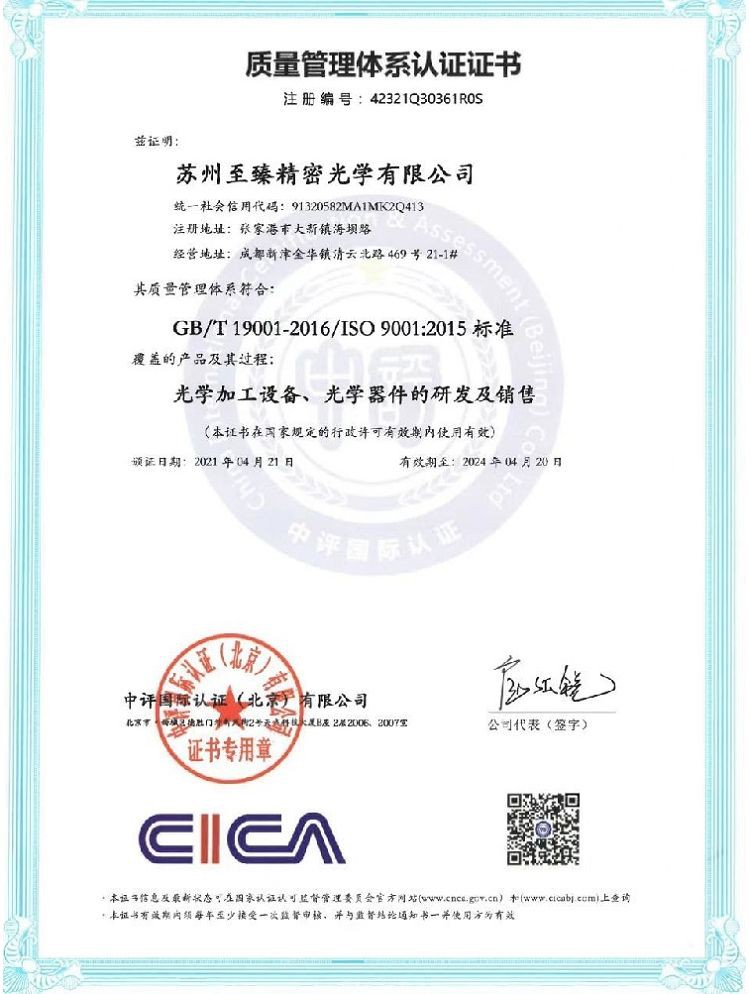
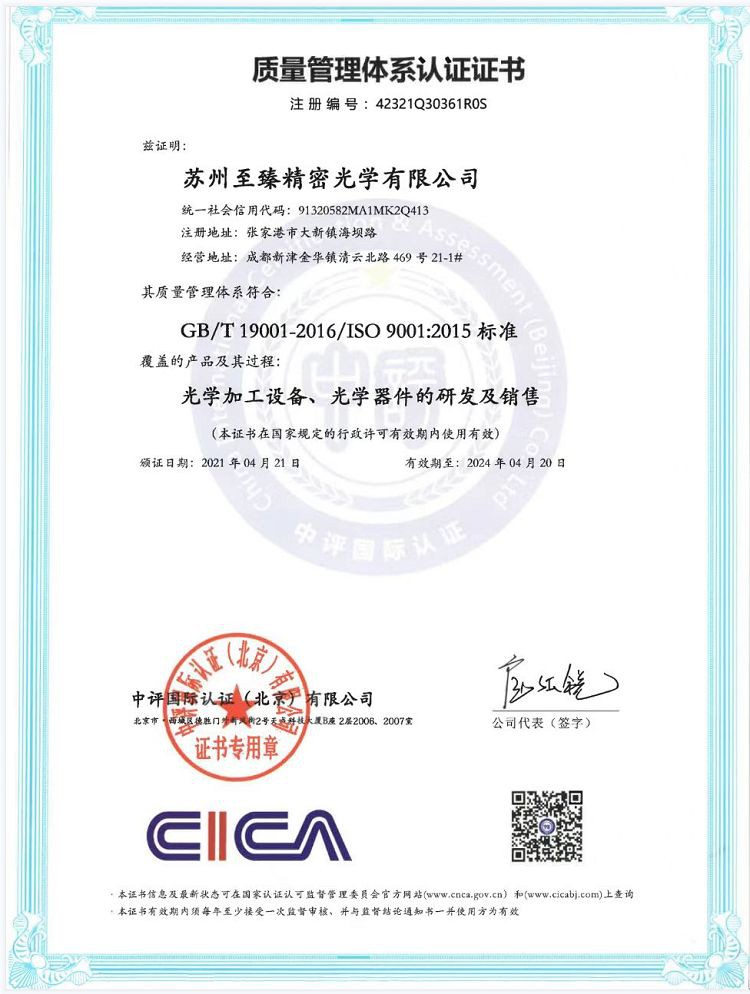
Our Certificate

FAQ
We're well-known as one of the leading visible camera manufacturers and suppliers in China. If you're going to buy customized visible camera made in China, welcome to get pricelist from our factory. For price consultation, contact us.