


lenses
Perfect Optics is a cutting-edge technology company specializing in the research and development of optical equipment and processes, as well as the design and manufacturing of high-precision optical components and systems. With a strong commitment to technological excellence and top-notch customer service, we deliver premium optical solutions to clients across various industries. Our core business encompasses a wide range of products, including ultra-precision machining equipment (such as ion beam machining systems, robot machining systems, CNC polishing machines, and magnetorheological polishing machines), advanced coating equipment (ALD, IBS coating machines, etc.), precision components (ion sources, light control systems, magnetorheological fluids), ultra-precision manufacturing capabilities (for flat, spherical, aspheric, and freeform surfaces), and customized lenses and optical systems tailored to meet specific customer requirements.
Why Choose Us?
High Quality
Professional testing team, proven detection technology, supporting sampling and re-testing in all links to ensure perfect quality.
Rich Experience
Our company has more than 8 years experience in optics, engaged in professional equipment and production.
Advanced Equipment
Our has lupho scan 420, lupho scan 600, zygo, 4d and other ultra-precision detection equipment, We will make every effort to achieve the required accuracy.
OEM Service
With a strong commitment to technological excellence and top-notch customer service, we deliver premium optical solutions to clients across various industries.


What is Lenses?
A lens is a transmissive optical device that focuses or disperses a light beam by means of refraction. A simple lens consists of a single piece of transparent material, while a compound lens consists of several simple lenses (elements), usually arranged along a common axis. Lenses are made from materials such as glass or plastic and are ground, polished, or molded to the required shape. A lens can focus light to form an image, unlike a prism, which refracts light without focusing. Devices that similarly focus or disperse waves and radiation other than visible light are also called "lenses", such as microwave lenses, electron lenses, acoustic lenses, or explosive lenses.
Benefits of Lenses
Simplicity Of Design And Manufacture
These lenses have a simple design with only one curved surface, which makes them easy to manufacture and relatively inexpensive.
Wide Range Of Focal Lengths
Lenses have a wide range of focal lengths, which makes them versatile and suitable for a variety of applications.
Large Diameter
The diameter of plano-convex lenses is relatively large, which allows them to collect a large amount of light and makes them ideal for use in applications such as imaging and sensing.
Collimation
Lenses can be used to collimate light from a point source into a parallel beam, which makes them useful in applications such as fiberoptic communication.
Focusing
Lenses can be used to focus light from an object onto a detector or image plane, which makes them useful in applications such as imaging and sensing.
Reliability
Since they don't have multiple optical surfaces which can get misaligned or dirty, they are more reliable than other complex optical system.
High Transmission
Lenses are made of high quality optical glass which have high transmission rate.
Easy To Mount
Lenses are easy to mount and align, which makes them suitable for use in a wide range of applications.
Types of Lenses


Single Vision Lenses are the most basic, and least expensive type of lenses. These lenses are designed for correcting vision for either near or distant clarity.
Bifocal Lenses contain two optical powers to accommodate clear vision for both near and far. The lens is divided into two segments, the top of the lens contains the distance vision prescription, while the bottom of the lens contains the near vision prescription. Some bifocals contain a bisecting horizontal line between the two lens powers.
Trifocal Lenses contain three optical powers— distance, intermediate and near vision, with two segmenting lines to delineate the powers. The intermediate segment is located above the segment for near vision and is helpful for viewing objects at arm’s length, such as a computer, or car dashboard.
Progressive Lenses, also called multifocal lenses are similar to bifocals and trifocals, but contain multiple lens powers to provide vision at all distances— close up, intermediate, distance, and any other lens power necessary for vision clarity. Multifocals gradually blend the lens powers together without a bisecting line, making them more attractive than bifocals. The downside of multifocals is that the clear zone for each part of the lens may be limited.
Polycarbonate And Trivex Lenses are impact-resistant, thin, and lightweight. These lenses are ideal for playing sports, as they are less prone to damage. They are also designed with built-in UV protection.
High-index Plastic Lenses are thinner, lighter, and more comfortable than regular lenses. These lenses are ideal for those with higher prescriptions, specifically those with strong farsightedness.
Aspheric Lenses contain various degrees of curvature from the center of the lens to its periphery. A flatter curve allows for thinner and flatter lenses, and reduces eye magnification for farsighted prescriptions. Aspheric lenses may also improve the clarity of your peripheral vision.
Computer Lenses filter out blue light— reducing eye strain, fatigue, and headaches— and protecting your overall ocular health. Computer glasses may be purchased without a prescription. If you already wear prescription glasses, your lenses can be treated with a blue light-blocking coating.
Photochromic Lenses also known as transition lenses, are clear indoors and darken when exposed to sunlight. These lenses eliminate the need for sunglasses and are more convenient for those who wear glasses full time to protect their eyes from UV radiation. Photochromic lenses are technically a treatment that can be added to your prescription lenses of any type.
Polarized Sunglasses reduce glare from surfaces such as water and snow. They are an ideal choice for driving and playing sports.
Schedule an eye exam with an eye doctor to find out which lenses you need for clear and comfortable vision.
Application of Lenses
Binoculars And Telescopes
Binoculars and telescopes employ convex lenses to magnify objects and make them appear closer, but convex lenses don't transfer light accurately; they create distortions and blurs. Binocular and telescope manufacturers therefore install concave lenses in or before the eyepieces to help focus images more clearly for the viewer.
Glasses
Opticians use concave lenses to correct nearsightedness -- also called myopia. A nearsighted eyeball is too long, and the image of a far-away object falls short of the retina. Concave lenses in glasses correct this shortfall by spreading out the light before it reaches the eye, thereby enabling the person using them to see distant objects more clearly.
Cameras
Camera manufacturers use combinations of concave and convex lenses to improve the quality of photographs. The primary lens of a camera is convex, and when used alone, it can cause distortions in the photographs called chromatic aberrations. A convex lens, on the other hand, refracts light of different colors at different angles, creating a fringe effect around bright objects in the picture. Combining convex lens and concave lenses eliminates both undesirable effects.
Flashlights
Concave lenses are used on flashlights to magnify the light produced by the bulb. The light falls on the concave side of the lens, and the rays diverge on the other side, thereby increasing the apparent radius of the light source and providing a wider beam.
Lasers
Various types of medical equipment, scanners and CD players use laser beams, and because these are highly focussed, they must often be dispersed in order for the equipment to work properly. Small concave lenses can widen a laser beam to precisely access a specific area. Concave lenses used with lasers are made from fused silica to withstand the ultraviolet rays produced by the light source.
Peepholes
Door viewers, or peepholes, are small security devices that provide a panoramic view of objects and environments outside doors or walls. The view is created through the use of one or more concave lenses inside the device which minimizes the proportions of specific objects and gives a wide overview of an entire area.
Material of Lenses
Standard glass
Glass had been the material most widely used for ocular lenses until the 1970s. Glass provides superior optical quality and has the most scratch-resistance surface, however it has several limitations including heavy weight, increased thickness, and low impact resistance. Glass lenses must be treated to comply with the American National Standards Institute impact resistance standards. Chemical or thermal tempering can increase the shatter resistance, however this effect is lost if the lens is scratched or worked on with any tool after tempering. Individuals with myopia who desire thin glasses may opt for high-index glass, however the highest-index glass lenses cannot be tempered and require patients to sign a waiver accepting the risk of breakage. Additionally, high-index glass does not block ultraviolet light without a coating.
Standard plastic
Plastic lenses gained popularity in the 1970s and have the benefits of weighing half as much as glass lenses due to their lower specific gravity and having high optical quality. CR-39 which stands for Columbia resin #39 is the most commonly used plastic polymer lens material. The lenses block 80% of ultraviolet light without treatment, and can be tinted and coated to provide further ultraviolet light blocking. Plastic lenses tend to have a lower index of refraction, which require thicker lenses. The lens surface is also softer and thus easier to scratch, however scratch-resistant coatings are available to create a harder surface. CR-39 lenses in particular do not have the shatter resistance of polycarbonate or Trivex, increasing risk to wearers.
Polycarbonate
High index polycarbonate lenses were popularized in the 1980s due to light weight, thin profile, superior impact resistance, and ultraviolet protection. These lenses are often recommended for children, young adults, individuals with active lifestyles, and as safety eyewear. They are very durable and can be up to 30% thinner than regular glass or plastic lenses. Disadvantages include high chromatic aberration indicated by its low Abbe number, which results in color fringing most noticeable in strong prescriptions. Additionally, polycarbonate is the most easily scratched plastic, thus requiring a scratch-resistant coating.
Trivex
Trivex was introduced in 2001 and is a highly impact-resistant material with a low specific gravity delivering strong optical quality and minimal chromatic aberration indicated by its high Abbe number. Trivex is also able to block nearly all ultraviolet light. A disadvantage of Trivex lenses is its low index of refraction, thus requiring thicker lenses for higher powers. At the ±3.00 Diopter prescription range, this material allows for a comparably thin lens. Trivex is the lightest material available and meets high-velocity impact standards. A scratch-resistant coating is required for this lens.
High-index materials
High-index materials are defined by a refractive index of 1.60 or higher, and can be either glass or plastic. The main utility of high-index lenses is for high-power prescriptions to create thin and cosmetically attractive lenses. The weight, optical quality, and impact resistance of high-index lenses vary based on the material used. For high-index glass, the specific gravity tends to run high, which means that these lenses are often heavy compared to other materials. None of the high-index materials pass the American National Standards Institute’s impact resistance standards.
Process of Lenses
Blank Selection: It starts with a lens blank, which is a piece of material (like plastic or glass) that has not yet been shaped. The blank is chosen based on the prescription and the type of lens material required.
Blocking: The lens blank is mounted or "blocked" in a machine so it can be accurately worked on. This involves attaching the blank to a block using a special adhesive or chuck. The block provides stability and precision during the surfacing process.
Generating: The lens is then cut to a rough shape using a diamond-tipped tool or a laser in a process known as "generating." This step removes the bulk of the material to create the general curvature needed for the prescription.
Fining/polishing: After generating, the lens is smoothed and polished. This involves finer grinding and/or polishing to remove any marks or imperfections left by the generating process, resulting in a clear and smooth surface.
Quality Check: The lens is inspected for quality, ensuring that it meets the required prescription and has no defects.
Coating (If Applicable): Finally, various coatings (like anti-reflective, scratch-resistant, or UV-protection coatings) can be applied to the lens.
Remove any debris from the lens with a soft-bristled brush or a blower.
Apply a few drops of lens cleaning solution to a lens tissue or cleaning cloth. Remove any smudges or fingerprints with a gentle circular motion, moving outward.
Difference Between Mirror and Lens
You may have thought that a mirror and a lens are similar. However, they are not at all similar. They both are completely different from each other and have different principles, applications, nature of image formations, etc. Here are the key differences between mirror and lens:
|
Difference Between Mirror and Lens |
||
|
Parameter |
Mirror |
Lens |
|
Basic Principle |
Mirrors predominantly operate on the principle of reflection, where incident light rays bounce off a surface, preserving the angle of incidence. This reflective phenomenon is akin to a visual echo, allowing us to perceive objects by the light they emit or reflect. In mirrors, the reflective surface, typically coated glass, serves as a medium to bounce back incident light, enabling us to see our reflections. |
Lenses rely on the principle of refraction. When light passes through a lens, its path is altered due to the change in the refractive index of the material. Convex lenses converge light rays towards a focal point, while concave lenses diverge them. This bending of light within the lens is the essence of refraction, contributing to the formation of images. |
|
Nature of Image |
Virtual (Plane), Real or Virtual (Concave), Virtual (Convex) |
Real and Inverted (Convex), Virtual and Upright (Concave) |
|
Types |
Plane, Concave, Convex |
Convex, Concave |
|
Reflective or Refractive |
Reflective |
Refractive |
|
Image Formation |
Virtual images, preserves size and orientation |
Real and inverted images (Convex), Virtual and upright images (Concave) |
|
Applications |
Reflection-centric (e.g., mirrors in homes, telescopes) |
Refraction-centric (e.g., cameras, eyeglasses) |
|
Examples in Everyday Life |
Rearview mirrors, makeup mirrors |
Eyeglasses, magnifying glasses |
|
Usage in Technology |
Telescopes, lasers |
Cameras, microscopes |
|
In Optical Instruments |
Used in telescopes for reflecting light |
Used in microscopes for magnification and cameras for focusing light |
|
Field of View |
Reflects light within its surface, limited field of view |
Bends and focuses light, wider field of view (convex) or narrower (concave) |
In the huge world of optics, mirrors and lenses are super important, shaping how we perceive and interact with the world. Mirrors show us ourselves and surroundings, while lenses enhance vision and expand observational abilities.
Our Factory
Perfect Optics is a cutting-edge technology company specializing in the research and development of optical equipment and processes, as well as the design and manufacturing of high-precision optical components and systems.

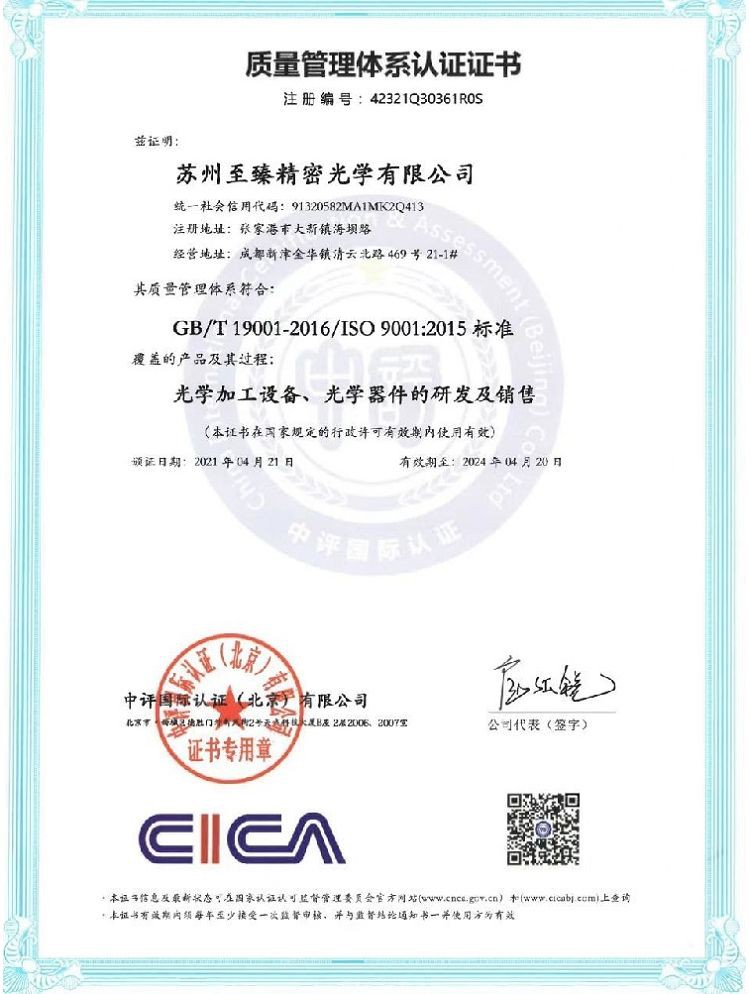
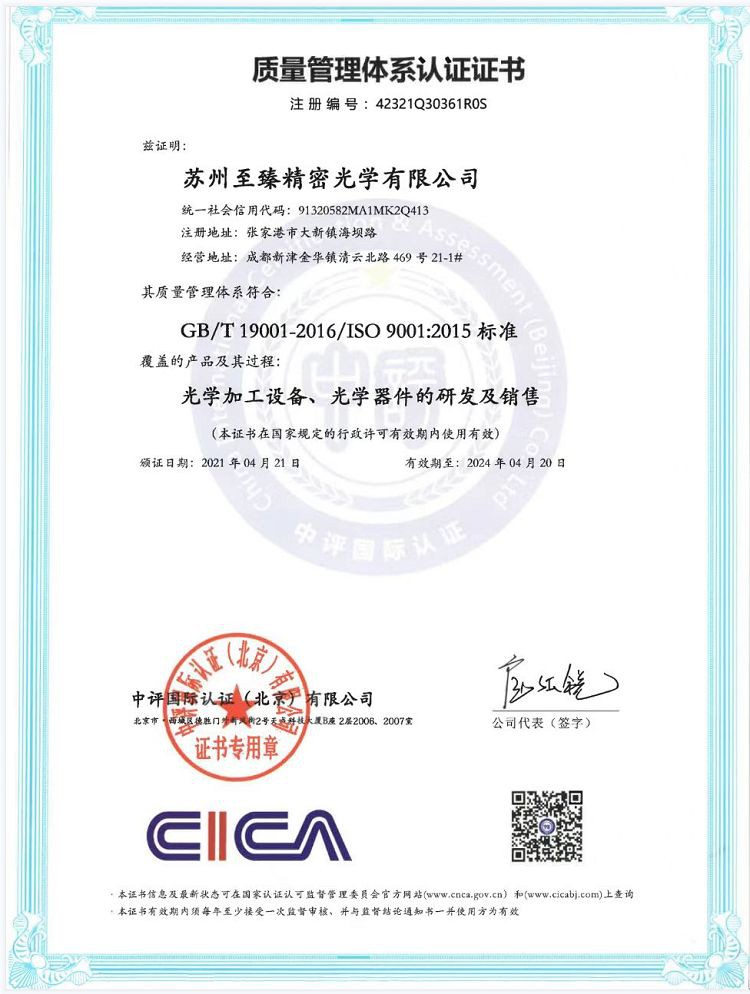
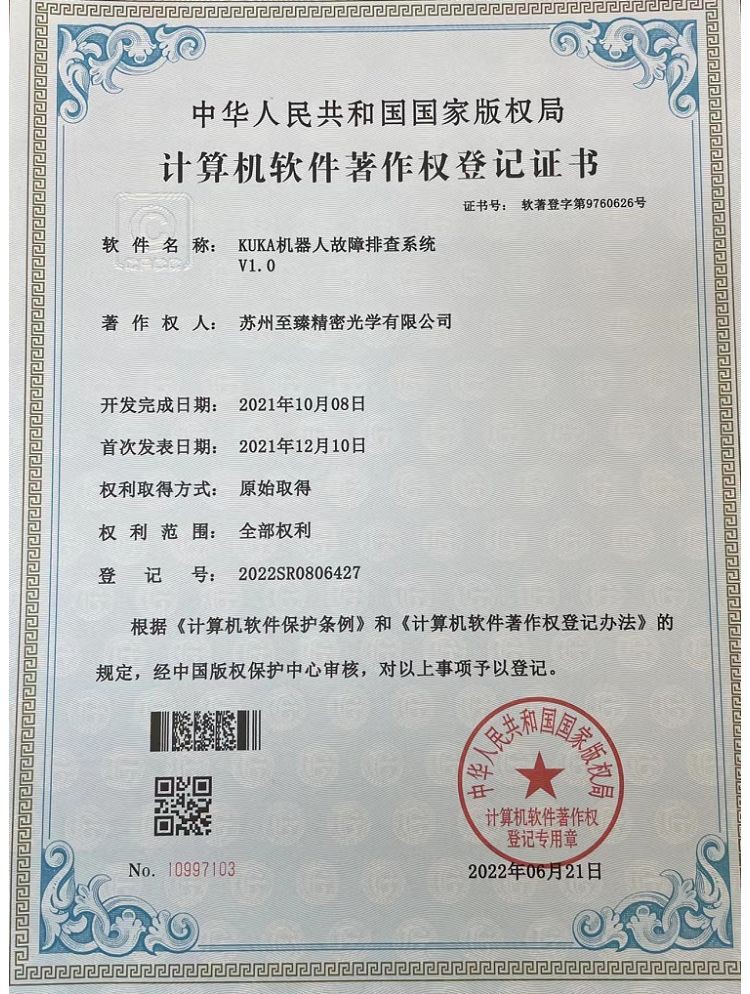
Our Certificate
FAQ
We're well-known as one of the leading lenes manufacturers and suppliers in China. If you're going to buy customized lenes made in China, welcome to get pricelist from our factory. For price consultation, contact us.